
Hypertension
Hypertension, causes,risk factors, management
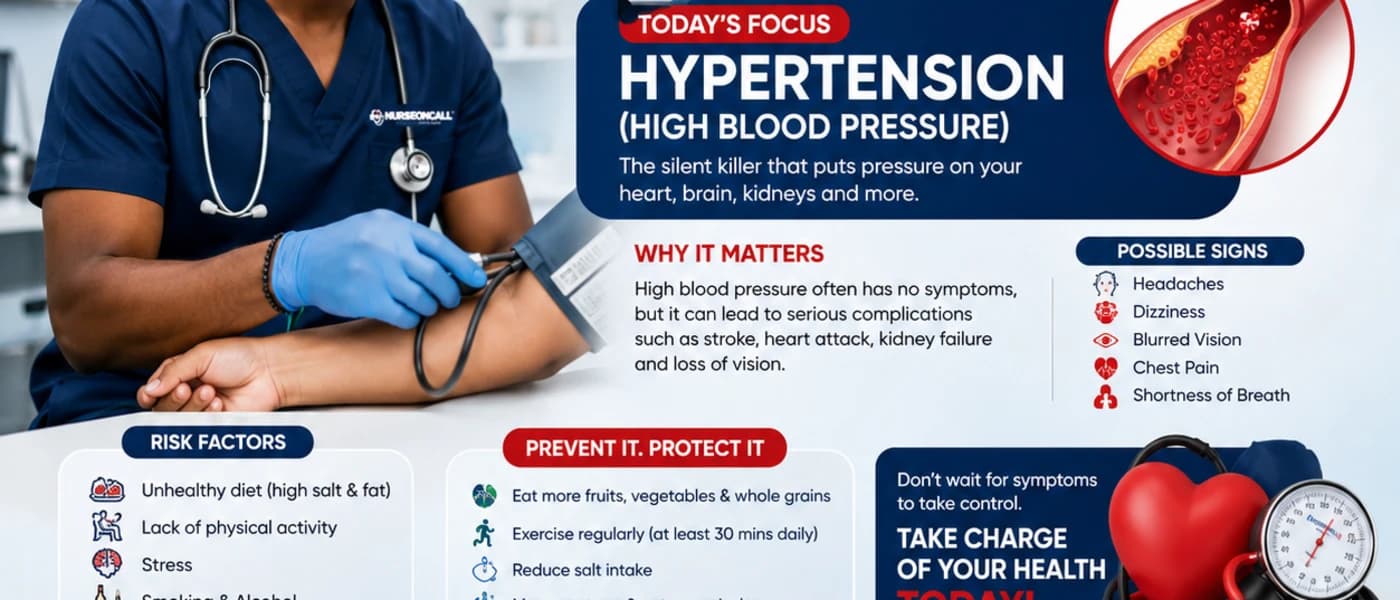
Writing NURSEONCALL HEALTH EDUCATION JOURNAL HYPERTENSION: THE SILENT KILLER — CAUSES, WARNING SIGNS, COMPLICATIONS, PREVENTION AND MANAGEMENT Health Education | Patient Awareness | Preventive Healthcare 1. Introduction: What Is Hypertension? Hypertension, commonly known as high blood pressure, is a chronic medical condition in which the force of blood pushing against the walls of the arteries remains consistently elevated. Blood pressure is measured in millimetres of mercury (mmHg) and recorded using two numbers: Systolic blood pressure (SBP): The upper number, representing the pressure in the arteries when the heart contracts. Diastolic blood pressure (DBP): The lower number, representing the pressure in the arteries when the heart relaxes between beats. For example, a blood pressure reading of 120/80 mmHg means a systolic pressure of 120 and a diastolic pressure of 80. Hypertension is often called the silent killer because many people live with it for years without noticeable symptoms, even while damage is gradually occurring to vital organs. According to the World Health Organization (WHO), hypertension affected approximately 1.4 billion adults aged 30–79 worldwide in 2024. Many affected individuals remain undiagnosed or do not have their blood pressure adequately controlled. This makes regular blood pressure monitoring, early diagnosis, appropriate treatment and public health education essential. 2. Understanding Blood Pressure Readings Blood pressure readings help healthcare professionals determine whether a person's blood pressure is within the expected range or persistently elevated. Blood pressure reading General interpretation Below 120/80 mmHg Generally considered normal 120–129 systolic and below 80 diastolic Elevated under some guidelines 130–139 systolic or 80–89 diastolic Stage 1 hypertension under US guidelines 140 systolic or 90 diastolic and above Hypertension under WHO diagnostic criteria when confirmed on separate days 180 systolic and/or 120 diastolic or higher Severely elevated blood pressure requiring urgent assessment Important: Different clinical guidelines use different thresholds and categories. A single high reading does not always establish a diagnosis. A healthcare professional should interpret repeated measurements in the context of the patient's age, medical history, pregnancy status and other health conditions. A person with a systolic pressure of 150 mmHg and a diastolic pressure of 75 mmHg may still have hypertension because either number can be elevated. 3. Types of Hypertension A. Primary (Essential) Hypertension This is the most common type. It develops gradually over time and does not have one identifiable underlying cause. It usually results from a combination of genetic, environmental and lifestyle factors. B. Secondary Hypertension This type results from an identifiable medical condition, medication or substance. Potential causes include: Kidney disease. Hormonal disorders, including certain adrenal and thyroid conditions. Obstructive sleep apnoea. Some medications, including certain painkillers, steroids and hormonal contraceptives. Certain stimulants and other substances. Treating the underlying cause may help improve blood pressure control. C. Isolated Systolic Hypertension This occurs when the systolic pressure is elevated while the diastolic pressure remains below the hypertension threshold. It is particularly common among older adults because arteries may become stiffer with age. D. Hypertension in Pregnancy High blood pressure during pregnancy may occur as pre-existing hypertension, gestational hypertension or pre-eclampsia. These conditions require careful assessment because they can threaten the health of both the mother and baby. Pregnant women with high blood pressure should receive appropriate antenatal and medical care rather than self-medicating. 4. Causes and Risk Factors of Hypertension Hypertension does not have one universal cause. Several factors may contribute to its development. Risk factors that cannot easily be changed: Increasing age. Family history of hypertension. Genetic predisposition. Certain underlying kidney or hormonal disorders. Modifiable risk factors include: Excessive consumption of salt. Overweight and obesity. Physical inactivity. Diets high in unhealthy fats and low in fruits and vegetables. Tobacco use. Excessive alcohol consumption. Poor sleep and untreated sleep apnoea. Certain medications and substances. Poorly controlled diabetes and other cardiovascular risk factors. Psychological stress may temporarily raise blood pressure and can contribute indirectly through sleep disruption, unhealthy eating, smoking or alcohol use. However, persistent hypertension should not simply be attributed to stress without proper assessment. In Nigeria, attention should be paid to salt-heavy diets, frequent consumption of highly processed foods, limited physical activity, delayed medical consultations and the tendency to seek care only after symptoms develop. 5. Signs and Symptoms: Does Hypertension Always Produce Symptoms? No. Most people with hypertension have no obvious symptoms. A person may look healthy, work normally and feel completely well while their blood pressure remains dangerously elevated. When blood pressure becomes severely elevated, symptoms may include: Severe headache. Blurred vision or other visual changes. Chest pain. Difficulty breathing. Confusion. Dizziness. Nausea or vomiting. Weakness, numbness or difficulty speaking in some emergencies. These symptoms are not exclusive to hypertension, and their absence does not prove that blood pressure is normal. Do not wait for symptoms before checking your blood pressure. The most reliable way to detect hypertension is through proper blood pressure measurement. 6. Complications of Uncontrolled Hypertension When blood pressure remains high for a prolonged period, it places excessive strain on blood vessels and vital organs. A. Stroke Hypertension damages blood vessels supplying the brain and increases the risk of a blocked or ruptured blood vessel. A stroke can lead to paralysis, speech difficulties, disability or death. B. Heart Attack High blood pressure contributes to damage and narrowing of the arteries supplying the heart, increasing the risk of coronary artery disease and heart attack. C. Heart Failure The heart may become thickened, stiff or weakened after working against persistent high pressure. Eventually, it may be unable to pump blood effectively. D. Chronic Kidney Disease and Kidney Failure The kidneys contain delicate blood vessels that help filter waste from the blood. Long-term hypertension damages these vessels and may progressively impair kidney function. E. Visual Impairment Damage to blood vessels in the retina may cause hypertensive retinopathy and, in severe cases, threaten vision. F. Vascular Damage Persistent high blood pressure can damage arteries throughout the body, increasing the risk of peripheral artery disease and other vascular complications. G. Cognitive Problems Uncontrolled hypertension is associated with an increased risk of vascular cognitive impairment and some forms of dementia. Many of these complications develop gradually, making early detection and sustained control extremely important. 7. How Is Hypertension Diagnosed? Diagnosis should be based on accurate measurements and appropriate clinical assessment. A healthcare professional may: Take a medical history, including family history, medications, tobacco and alcohol use. Measure blood pressure with a properly sized cuff and a validated device. Repeat measurements during the same visit when appropriate. Arrange measurements on separate days or home/ambulatory monitoring when indicated. Assess for diabetes, kidney disease, cardiovascular disease and other risk factors. Request relevant investigations, such as blood tests, urine tests, kidney function tests, blood glucose, cholesterol testing or an electrocardiogram. A clinician may recommend home monitoring to help distinguish persistent hypertension from temporary elevations associated with anxiety in a medical setting. Correct blood pressure measurement matters. An incorrectly sized cuff, talking during measurement, a full bladder, recent exercise, caffeine or smoking can affect the result. 8. The Correct Way to Measure Blood Pressure at Home For more reliable results: Avoid smoking, caffeine and exercise for at least 30 minutes beforehand. Empty your bladder. Sit quietly for at least five minutes. Sit with your back supported, feet flat on the floor and legs uncrossed. Place the cuff on your bare upper arm, using the correct cuff size. Support your arm at heart level. Do not talk or use your phone during the measurement. Take two readings about one minute apart and record both. Measure at consistent times when possible, following your healthcare professional's advice. An automated blood pressure monitor can be useful when it is validated, correctly sized and properly used. It is not automatically a medical disaster, nor is it always accurate. Technique, device quality and appropriate clinical interpretation are important. Keep a record of your readings, dates, times and medications. Bring this record to your healthcare appointments. 9. Prevention and Lifestyle Management Lifestyle modification is a key part of both preventing hypertension and controlling established high blood pressure. A. Reduce Salt Consumption Excessive sodium intake contributes to high blood pressure. The WHO recommends adults consume less than 2,000 mg of sodium daily, equivalent to less than 5 grams of salt from all sources. Practical measures include: Reducing the amount of salt added during cooking. Limiting seasoning cubes and highly salted seasonings. Reducing processed meats, salty snacks and heavily salted foods. Checking food labels when available. Avoiding the habit of adding extra salt before tasting food. Salt substitutes containing potassium are not appropriate for everyone, particularly people with kidney disease or those taking certain medicines. Seek professional advice before using them. B. Eat a Balanced Diet Build meals around vegetables, fruits, beans, whole grains, nuts, fish and other suitable protein sources. In the Nigerian context, healthier choices can include beans, vegetables, okra, garden eggs, unsalted nuts and moderate portions of staples such as rice, yam and cassava-based foods. Limit frequent consumption of deep-fried foods, excess animal fats, processed foods and sugary drinks. C. Engage in Regular Physical Activity For most adults, aim for at least 150 minutes of moderate-intensity aerobic activity per week, such as brisk walking, swimming or cycling, alongside muscle-strengthening activities on two or more days per week when appropriate. People who have been inactive should begin gradually. Those with significant symptoms or poorly controlled blood pressure should seek advice before starting vigorous exercise. D. Maintain a Healthy Weight If you are overweight, gradual and sustainable weight reduction may improve blood pressure and other cardiovascular risk factors. Avoid extreme dieting or unregulated weight-loss products. E. Avoid Tobacco Smoking and other tobacco exposure damage blood vessels and increase cardiovascular risk. Quitting tobacco benefits overall cardiovascular health, even if blood pressure does not immediately normalize. F. Limit or Avoid Alcohol Excessive alcohol consumption can raise blood pressure. Avoid binge drinking and discuss alcohol use with a healthcare professional if it is affecting your health or treatment. G. Prioritise Sleep and Stress Management Maintain a regular sleep routine, seek help for persistent insomnia or suspected sleep apnoea, and use healthy coping strategies such as exercise, relaxation and social support. Lifestyle changes are valuable, but they do not replace prescribed medicines when medication is medically indicated.